
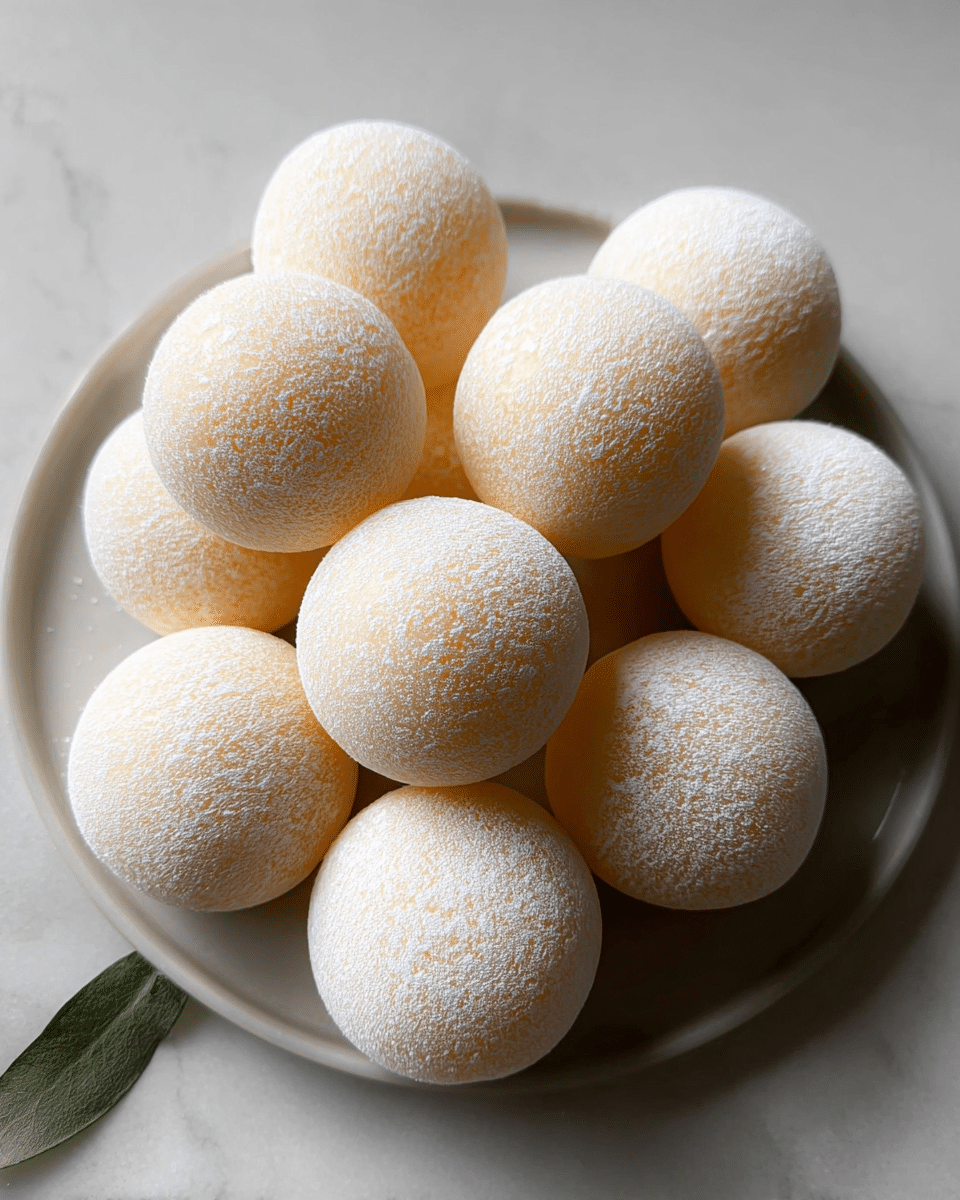
Tired of the same old desserts that never quite satisfy your sweet cravings? Mango mochi offers that perfect balance of chewy, sweet, and fruity that conventional treats simply can’t match. These 5 mango mochi recipes transform simple ingredients into pillowy, tropical delights that literally melt in your mouth with each bite.
Hi, I’m Emma, the heart behind GusRecipes, and my journey with mango mochi began during a summer visit to Japan where I first experienced the delightful contrast between the soft rice cake exterior and the luscious mango filling. After countless test batches in my kitchen, I’ve perfected these recipes that bring authentic Asian flavors right to your home.
In this guide, you’ll discover everything from traditional mango mochi to fusion creations, including expert tips for selecting the perfect mangoes, working with glutinous rice flour, and creating flawless mochi textures every time.
Why These Mango Mochi Recipes Work
- Uses readily available glutinous rice flour found in most Asian grocery stores
- Requires minimal prep time (15-30 minutes) plus chilling
- Perfect for beginners yet impressive enough for special occasions
- Customizable for different dietary needs (vegan options included)
- No special equipment required just basic kitchen tools
Choosing the Right Mangoes for Mochi
Best Mango Varieties for Mochi Recipes
The perfect mango mochi starts with selecting the right mangoes. Alphonso and Ataulfo (honey) mangoes work exceptionally well due to their creamy texture and intense sweetness. Tommy Atkins mangoes are more widely available but slightly more fibrous they’ll work in a pinch but may need additional sweetening.
Ripeness Tips for Mango Mochi
For filled mochi recipes, choose mangoes that yield slightly to gentle pressure. They should smell sweet at the stem end without being overly soft. For mango-flavored mochi dough, slightly underripe mangoes provide better color and a more concentrated flavor when reduced into a puree.
Substitutions for Mango Mochi
No fresh mangoes? High-quality frozen mango chunks work wonderfully in these recipes. You can also substitute with mango puree or even mango powder for the dough, though the flavor intensity will vary.
Ingredients & Prep for Mango Mochi
Mango Mochi Essentials
The foundation of any great mochi recipe starts with quality ingredients:
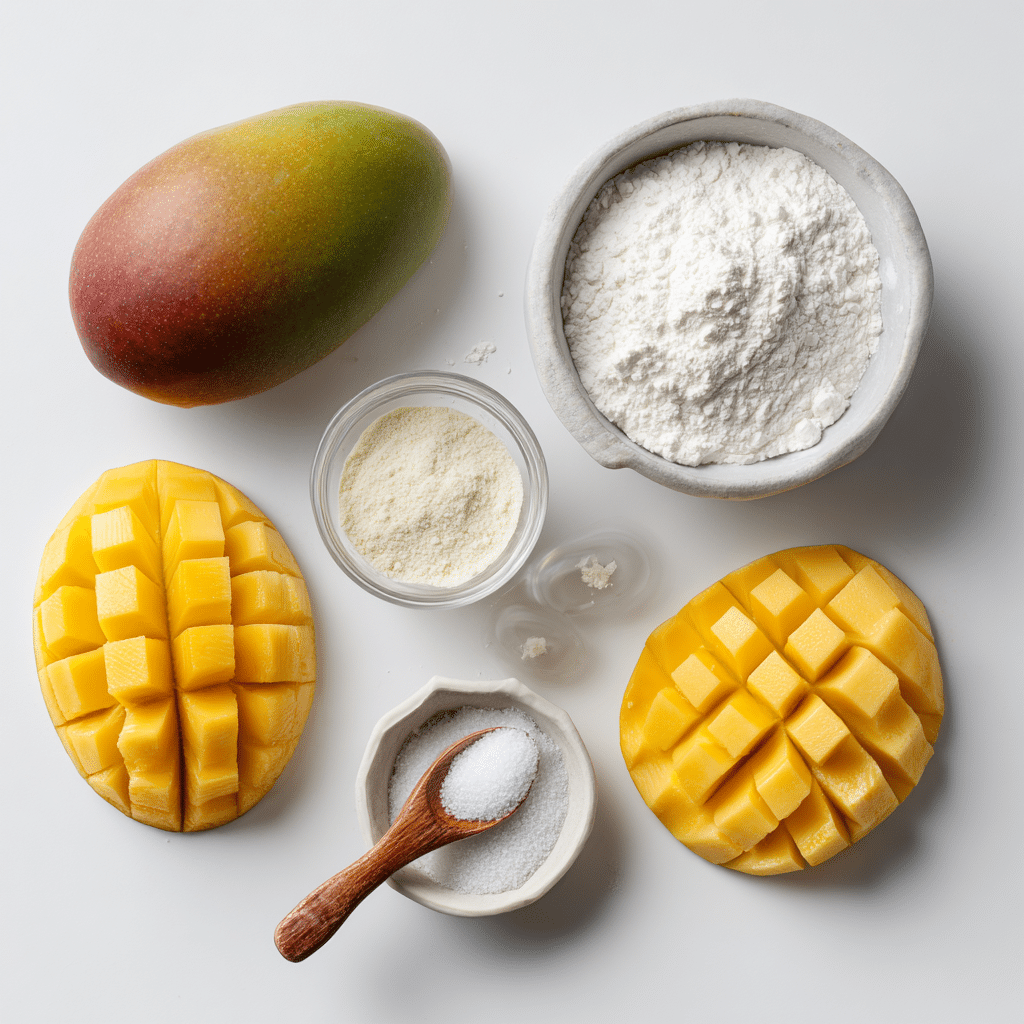
- Glutinous rice flour (also called sweet rice flour or mochiko)
- Fresh or frozen mangoes
- Sugar (granulated, coconut, or other sweeteners)
- Cornstarch (for dusting)
- Water or coconut milk (for the dough)
Mango Mochi Filling Preparations
- Fresh mango cubes (½-inch pieces work best)
- Mango puree mixed with condensed milk
- Sweetened mango cream cheese mixture
- Coconut cream and mango puree blend
Pantry Staples for Mango Mochi
- Food coloring (optional for vibrant yellow)
- Potato starch (alternative dusting agent)
- Coconut flakes (for coating)
- Matcha powder (for variations)
Step-by-Step Mango Mochi Cooking Instructions
Pre-Cooking Mango Mochi Prep
- Prepare your workspace by dusting a clean surface with cornstarch
- Cut parchment paper into small squares for wrapping (if making filled mochi)
- Cube mangoes into small pieces and pat dry with paper towels
- Measure all ingredients precisely mochi is sensitive to proportions
Mango Mochi Cooking Method
Recipe 1: Classic Mango-Filled Mochi
- Combine 1 cup glutinous rice flour, 1/4 cup sugar, and 3/4 cup water in a microwave-safe bowl
- Microwave for 1 minute, stir, then microwave in 30-second intervals until translucent
- Dust work surface generously with cornstarch
- Divide dough into 8 equal pieces, flatten each into a circle
- Place a mango cube in the center of each circle
- Gather edges and pinch to seal completely
Recipe 2: Mango-Infused Mochi Dough
- Blend 1/2 cup mango puree with 1/4 cup water
- Mix with 1 cup glutinous rice flour and 3 tablespoons sugar
- Steam the mixture in a lined bamboo steamer for 15-20 minutes
- Knead the cooked dough while still warm
- Divide and shape as desired
Mango Mochi Doneness Check
Your mochi is perfectly cooked when:
- The dough becomes translucent rather than opaque
- The texture is stretchy but not sticky
- It feels firm yet pliable when touched
Resting Your Mango Mochi
Always let your mochi rest for 10-15 minutes after cooking before filling and shaping. This allows the texture to set properly and makes handling easier. After shaping, refrigerate filled mochi for at least 30 minutes before serving for the perfect chewy texture.
Pro Tips for Perfect Mango Mochi
Avoiding Tough Mango Mochi
- Don’t overwork the dough – mix just until combined
- Keep hands and surfaces well-dusted with cornstarch
- If microwaving, cover the bowl to prevent the dough from drying out
- Work quickly when the dough is warm for easier shaping
Mango Mochi Tool Recommendations
- Silicone spatula (heat-resistant for stirring hot dough)
- Small cookie scoop (for uniform sizing)
- Digital kitchen scale (for precise measurements)
- Bamboo steamer (for traditional steamed mochi)
Mango Mochi Storage & Preservation
- Store mochi in an airtight container with parchment paper between layers
- Refrigerate for up to 2 days (they’re best consumed within 24 hours)
- Dust with additional cornstarch if they become sticky
- Avoid freezing filled mochi as the texture changes significantly
Looking for more incredible tropical desserts? Check out my collection on Pinterest where I share exclusive recipe variations and serving inspirations!
Mango Mochi Flavor Variations
Spicy Mango Mochi Twist
Transform your mango mochi with a touch of heat by adding a pinch of cayenne or chili powder to the dough. The subtle spice enhances the mango’s natural sweetness, creating a sophisticated flavor contrast that’s surprisingly addictive.
Vegan Mango Mochi Options
Replace traditional ingredients with plant-based alternatives:
- Use coconut sugar instead of refined sugar
- Substitute coconut milk for dairy milk in fillings
- Try agar-agar instead of gelatin in certain filling variations
Global Mango Mochi Fusion Flavors
- Thai-inspired: Add coconut milk and a hint of lime zest to the dough
- Indian twist: Incorporate cardamom and saffron into the mango filling
- Mexican fusion: Blend in cinnamon and vanilla with the mango puree
Mango Mochi Variations Comparison
| Variation | Prep Time | Difficulty | Special Ingredients | Best Served |
|---|---|---|---|---|
| Classic Filled | 30 min | Beginner | Fresh mango cubes | Chilled |
| Mango Infused | 45 min | Intermediate | Mango puree | Room temp |
| Coconut Mango | 35 min | Beginner | Coconut cream | Chilled |
| Mango Matcha | 40 min | Advanced | Matcha powder | Slightly warm |
| Ice Cream Filled | 60 min | Advanced | Mango ice cream | Frozen |
Serving Suggestions for Mango Mochi
- Pair with jasmine or oolong tea for an authentic Asian dessert experience
- Serve alongside fresh fruit for a refreshing dessert platter
- Dust with toasted coconut flakes for added texture and tropical flavor
- Present on a bamboo plate with a small side of honey for dipping
FAQs About Mango Mochi
Can I make mango mochi ahead of time?
Yes, but for best results, prepare them no more than 24 hours in advance. The texture changes significantly after the first day.
Why is my mango mochi dough too sticky?
Your liquid-to-flour ratio might be off. Add more glutinous rice flour, one tablespoon at a time, until you reach the desired consistency.
Can I freeze mango mochi?
Unfilled mochi freezes well for up to one month. However, filled mochi with fresh mango doesn’t freeze well as the fruit releases moisture when thawed.
Is mochi gluten-free?
Yes! Traditional mochi made with glutinous rice flour is naturally gluten-free, despite the misleading name (glutinous refers to its sticky quality, not gluten content).
How do I know when my mochi is cooked properly?
The dough changes from white and opaque to slightly translucent. It should be stretchy and smooth when pulled.
Conclusion
These five mango mochi recipes transform ordinary ingredients into extraordinary treats that capture the essence of summer in every bite. From the classic filled version to creative fusion variations, there’s a mango mochi recipe here to delight everyone at your table.
The beauty of mango mochi lies in its simplicity combined with its impressive presentation – these little pillowy delights are sure to become a new favorite in your dessert repertoire. Remember, the key to perfect mochi is practice, so don’t be discouraged if your first batch isn’t perfect!
Ready to expand your Asian dessert knowledge? Grab your apron and some mangoes, and let’s bring the magic of mochi into your kitchen today!
Print
Mango Mochi: 5 Irresistible Recipes You Must Try Now
- Total Time: 20 mins
- Yield: 8 mochi 1x
- Diet: Vegan
Description
Soft, chewy mango mochi with a tender glutinous rice exterior and a sweet, fruity mango filling a refreshing and delightful Asian-inspired dessert.
Ingredients
1 cup glutinous rice flour
1/4 cup granulated sugar
3/4 cup water
1/2 cup mango purée
1/4 tsp salt
Cornstarch or potato starch for dusting
1/2 cup fresh mango, finely diced
Instructions
1. In a bowl, whisk together glutinous rice flour, sugar, and salt.
2. Add water and mango purée; mix until smooth.
3. Cover loosely and microwave for 1 minute.
4. Stir well, then microwave for another 1–2 minutes until thick and sticky.
5. Dust a surface generously with cornstarch.
6. Turn dough out and let cool slightly.
7. Divide dough into portions and flatten each piece.
8. Fill with diced mango and pinch edges to seal.
9. Roll gently into smooth balls.
10. Dust lightly with starch and serve.
Notes
Work with the dough while warm for easiest shaping.
Fresh mango provides the best flavor.
Store refrigerated and consume within 24 hours.
- Prep Time: 15 mins
- Cook Time: 5 mins
- Category: Dessert
- Method: Microwave
- Cuisine: Japanese-Inspired
Nutrition
- Serving Size: 1 mochi
- Calories: 110
- Sugar: 9g
- Sodium: 20mg
- Fat: 1g
- Saturated Fat: 0g
- Unsaturated Fat: 1g
- Trans Fat: 0g
- Carbohydrates: 25g
- Fiber: 1g
- Protein: 1g
- Cholesterol: 0mg
Keywords: mango mochi, fruit mochi, rice cake dessert, chewy mochi