
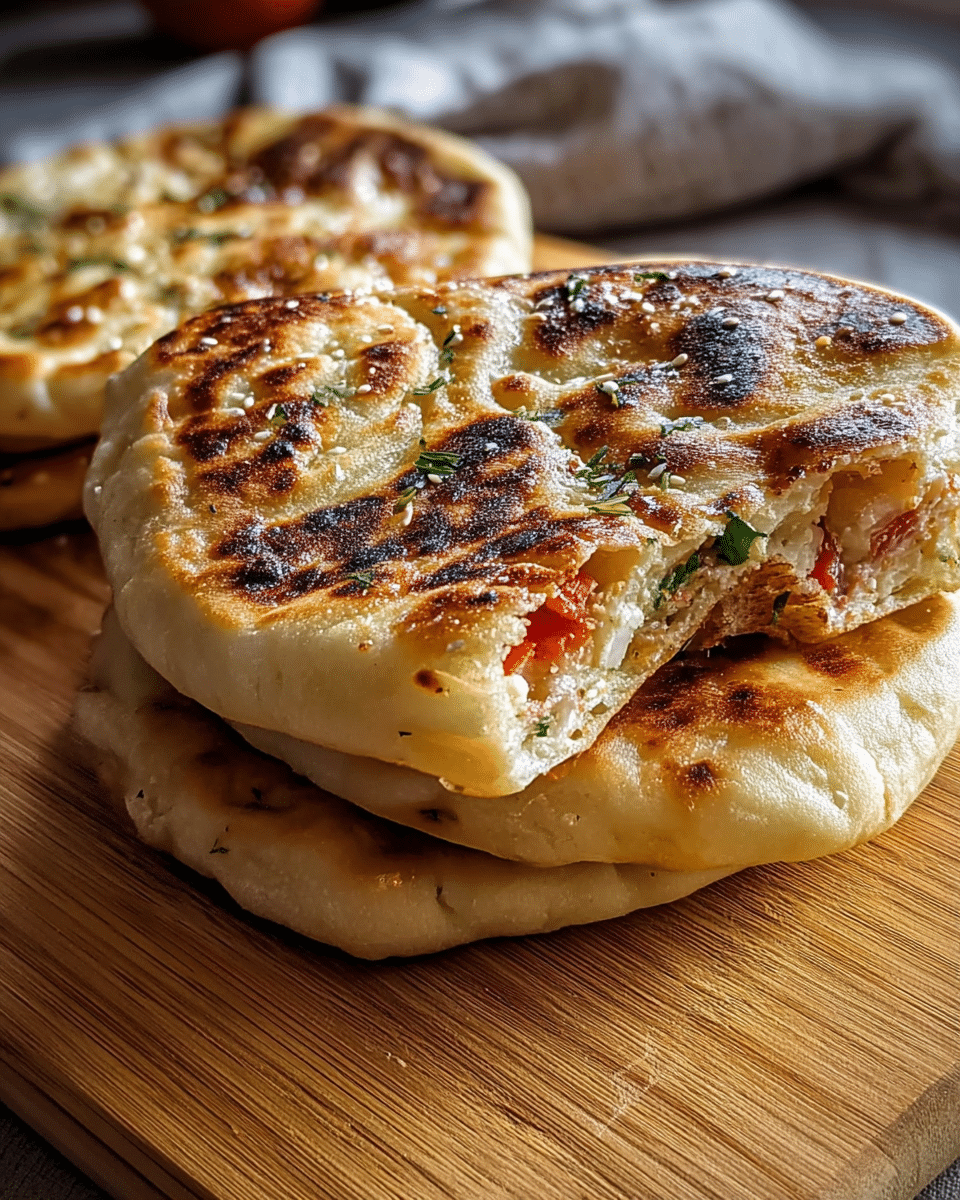
Are you tired of store-bought pita bread that’s dry, brittle, and lacks that authentic homemade charm? I’ve been there too! These Greek pita breads are wonderfully soft, deliciously chewy, and create the perfect pocket for all your favorite fillings.
Hi, I’m Emma, the heart behind GusRecipes! My journey with Greek pita bread began during a culinary vacation in Santorini, where a local baker showed me his family’s centuries-old technique. After countless attempts to recreate that perfect texture and flavor in my own kitchen, I’m excited to share these five game-changing secrets I’ve discovered.
In this guide, you’ll learn everything from selecting the right flour and mastering the perfect dough consistency to the exact cooking techniques that create that signature pocket. Whether you’re serving up souvlaki, gyros, or simply want to elevate your hummus experience, these homemade pitas will transform your meal.
Why This Greek Pita Bread Recipe Works
- Uses simple pantry ingredients you likely already have on hand
- Requires just 30 minutes of active preparation time
- Creates pitas that stay soft even when stored overnight
- Versatile for everything from Mediterranean meals to sandwich alternatives
- Perfect balance of chewy texture and light fluffiness
Choosing the Right Ingredients for Greek Pita Bread
Best Flour for Pita Bread
For authentic Greek pita bread, bread flour is your best friend. Its higher protein content (12-14%) develops the gluten structure needed for those perfect pockets. All-purpose flour works in a pinch but produces slightly less chewy results. For a traditional Mediterranean touch, try incorporating a small percentage (about 10%) of whole wheat flour.
Yeast Selection
Active dry yeast and instant yeast both work beautifully in this recipe. The key difference is preparation active dry yeast needs proofing in warm water with a pinch of sugar, while instant can be mixed directly with dry ingredients. Fresh yeast also creates exceptional results if you can find it, using triple the amount compared to dry.
Essential Additions
Don’t overlook the importance of salt in your pita dough it’s not just for flavor but controls yeast activity and strengthens gluten. A small amount of olive oil (preferably extra virgin) adds authentic Mediterranean character and helps keep your pitas soft.
Ingredients & Prep for Greek Pita Bread
Dough Preparation Essentials
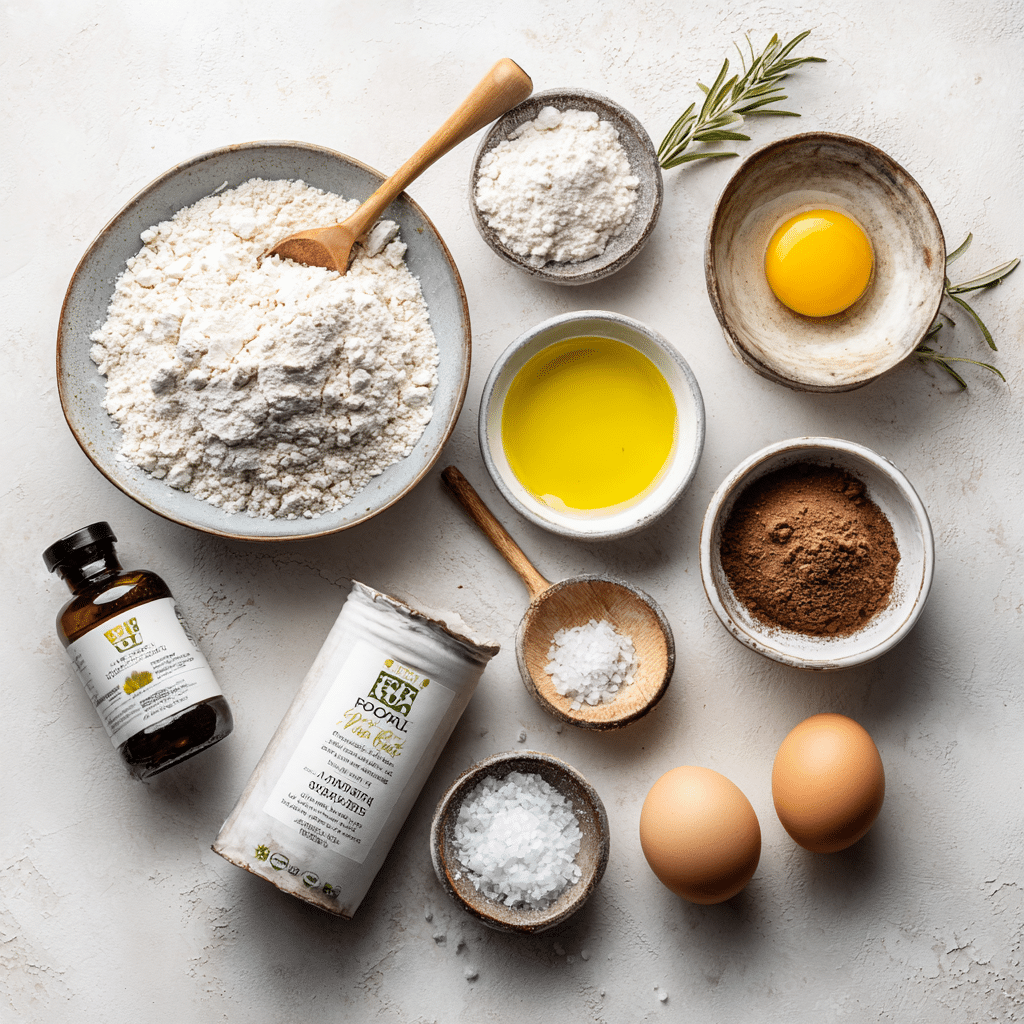
Properly measuring your ingredients is crucial for pita success. Use a kitchen scale for precision, especially for flour, as cup measurements can vary significantly. Room temperature ingredients help your dough come together more smoothly and promote better yeast activation.
Basic Ingredients List:
- 3 cups bread flour (plus extra for dusting)
- 2¼ teaspoons instant yeast (one standard packet)
- 1½ teaspoons salt
- 1 tablespoon olive oil
- 1¼ cups warm water (about 110°F)
- 1 teaspoon honey or sugar (to feed the yeast)
Mixing and Kneading Techniques
For truly authentic Greek pita bread, the kneading process is non-negotiable. A stand mixer with a dough hook makes this easier, but hand kneading for 8-10 minutes creates a smooth, elastic dough that passes the “windowpane test” when you can stretch a small piece thin enough to see light through it without tearing.
Step-by-Step Greek Pita Bread Instructions
Pre-Cooking Pita Bread Preparation
- Combine warm water, yeast, and honey in a large bowl, let sit for 5 minutes until foamy
- Add flour, salt, and olive oil to the yeast mixture and stir until a shaggy dough forms
- Turn dough onto a floured surface and knead for 8-10 minutes until smooth and elastic
- Place in an oiled bowl, cover with plastic wrap or a damp cloth, and let rise in a warm spot for 60-90 minutes until doubled in size
Shaping Your Pita Bread
- Gently deflate the risen dough and divide into 8 equal pieces (about 90g each)
- Roll each piece into a ball and let rest, covered, for 10 minutes to relax the gluten
- Using a rolling pin, flatten each ball into a circle about ¼-inch thick (6-8 inches in diameter)
- For the best pocket formation, don’t roll too thin or too thick—¼ inch is the sweet spot
Cooking Methods for Greek Pita Bread
Stovetop Method: Heat a cast iron skillet or heavy-bottomed pan over medium-high heat. Cook pita for 2-3 minutes per side until puffed and golden spots appear.
Oven Method: Preheat a baking stone or inverted baking sheet at 475°F for 30 minutes. Slide pitas onto the hot surface and bake for 3-4 minutes until puffed.
Grill Method: Preheat grill to medium-high. Place pitas directly on grates and cook for 1-2 minutes per side until puffed with grill marks.
Perfecting the Pocket in Your Pita Bread
The secret to that magnificent pocket is steam. As the pita cooks, moisture within the dough converts to steam, forcing the two sides apart. For best results, ensure your cooking surface is properly preheated and avoid pressing down on the pita as it puffs.
Pro Tips for Perfect Greek Pita Bread
Avoiding Common Pita Problems
- Pitas won’t puff: Your cooking surface might not be hot enough. Preheat thoroughly.
- Tough texture: You may have added too much flour during kneading. Use just enough to prevent sticking.
- Dry pitas: Cover freshly cooked pitas with a clean kitchen towel to trap steam and maintain moisture.
Essential Tools for Pita Success
- A kitchen scale for precise measurements
- A pizza stone or cast iron skillet for even, high heat
- A good rolling pin for uniform thickness
- Bench scraper for dividing dough
Storage and Reheating Techniques
Store cooled pitas in an airtight container at room temperature for up to 3 days, or freeze for up to 3 months. To reheat, lightly sprinkle with water and warm in a 350°F oven for 5 minutes, or microwave between damp paper towels for 20 seconds.
Looking for more delicious bread recipes? Check out my collection on Pinterest where I share daily baking inspiration!
Flavor Variations for Greek Pita Bread
Herb-Infused Pita Bread
Add 2 tablespoons of fresh herbs like oregano, thyme, or rosemary to your dough for an aromatic twist. Dried herbs work too—use 2 teaspoons and mix them with the dry ingredients.
Whole Grain Options
For a heartier, more nutritious pita, substitute up to 50% of the bread flour with whole wheat, spelt, or ancient grains like einkorn. You may need to add an extra tablespoon or two of water to maintain proper hydration.
Mediterranean Flavor Enhancements
| Variation | Ingredients to Add | Best Used With |
|---|---|---|
| Garlic Pita | 2-3 minced garlic cloves | Gyros, souvlaki |
| Za’atar Pita | 1 Tbsp za’atar sprinkled before cooking | Hummus, baba ganoush |
| Onion Pita | 2 Tbsp dried onion flakes | Greek salad wraps |
| Olive Pita | ⅓ cup chopped kalamata olives | Mezze platters |
| Sesame Pita | 1 Tbsp sesame seeds on top | Tahini-based dips |
Serving Suggestions for Greek Pita Bread
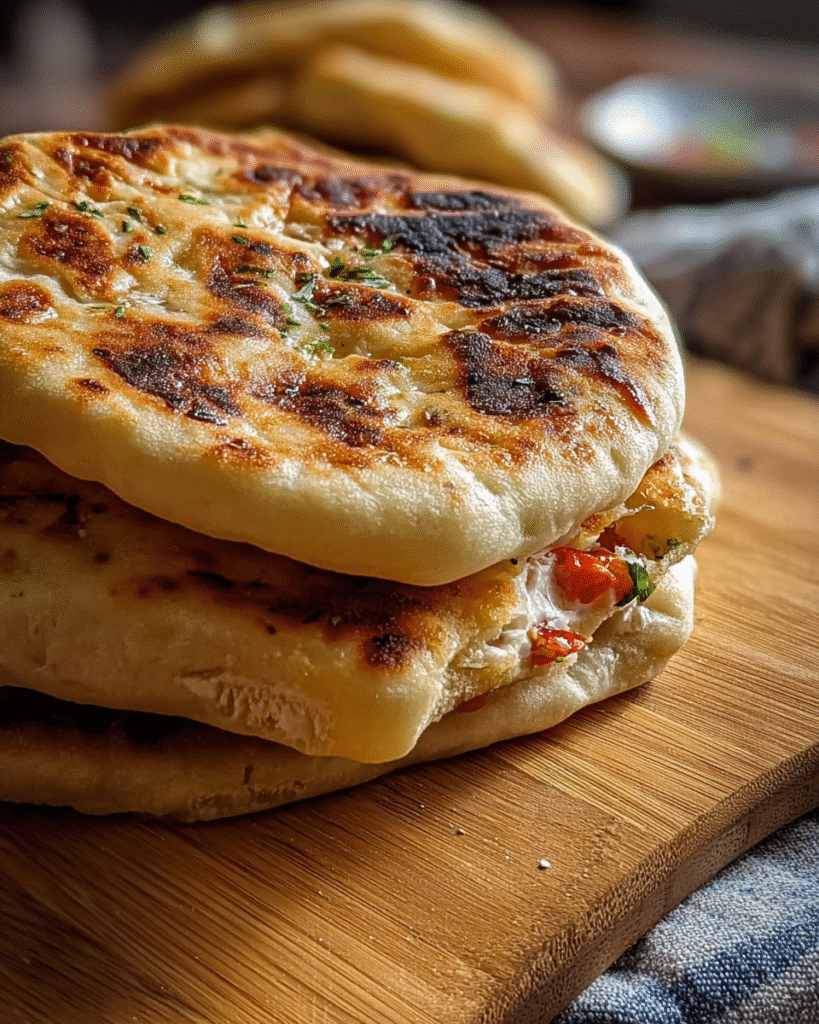
Fresh, warm pita bread pairs beautifully with classic Mediterranean dips like tzatziki, hummus, and baba ganoush. Cut into triangles, they make perfect scoopers for your favorite mezze platter.
For a complete meal, stuff your pita pockets with Greek salad, falafel, or grilled vegetables. The slight chewiness and soft texture make them ideal for soaking up flavorful sauces without falling apart.
For a sweet twist, drizzle warm pitas with honey and a sprinkle of cinnamon as a simple dessert, or use them as the base for a Mediterranean-inspired breakfast with yogurt, honey, and fresh fruits.
FAQs About Greek Pita Bread
Can I make the dough ahead of time?
Yes! You can make the dough up to 24 hours in advance and store it in the refrigerator. This slow, cold fermentation actually improves flavor. Just bring the dough to room temperature before shaping.
Why didn’t my pitas form pockets?
Pocket formation depends on proper heat and dough thickness. Make sure your cooking surface is very hot and that you’ve rolled the dough to an even ¼-inch thickness.
Can I make gluten-free Greek pita bread?
While traditional Greek pitas rely on gluten for structure, you can attempt a gluten-free version using a high-quality gluten-free flour blend plus 1 teaspoon of xanthan gum. The texture will be different, but still delicious.
How do I prevent my pitas from getting hard?
The secret is to stack them while still warm and cover with a clean kitchen towel. The trapped steam helps keep them soft. For storage, cool completely before placing in an airtight container.
Can I use a bread machine to make the dough?
Absolutely! Use the dough setting and let the machine do the work. Just be sure to remove the dough at the end of the cycle to shape and bake manually.
Conclusion
There’s something truly magical about pulling perfectly puffed Greek pita bread from your skillet or oven. That moment when you see the steam escape and know you’ve created that perfect pocket is truly satisfying. With these five secrets proper flour selection, adequate kneading, correct dough thickness, high heat, and proper steam retention you’re now equipped to make restaurant-quality pita bread at home.
Remember, like any traditional bread, pita-making improves with practice. Each batch will teach you something new about your ingredients, your kitchen’s conditions, and your personal preferences. Before long, you’ll be customizing flavors and impressing friends and family with your Mediterranean baking prowess.
So, heat up that skillet or oven, get your hands into some dough, and experience the joy of authentic Greek pita bread in your own kitchen. Your homemade gyros, souvlaki, and mezze platters will never be the same!
Print
Greek Pita Bread: 5 Secrets to Making Perfect Fluffy Flatbread
- Total Time: 1 hr 30 mins (includes rising)
- Yield: 6 pitas 1x
- Diet: Vegetarian
Description
Soft, fluffy Greek pita bread made with simple ingredients perfect for wraps, gyros, or dipping into hummus and tzatziki. Homemade and wonderfully chewy!
Ingredients
2 1/4 tsp active dry yeast (1 packet)
3/4 cup warm water (110°F / 43°C)
1 tsp sugar
2 cups all-purpose flour
1 tsp salt
1 tbsp olive oil (plus more for brushing)
Instructions
1. In a small bowl, combine warm water, sugar, and yeast. Let sit for 5–10 minutes until foamy.
2. In a large mixing bowl, combine flour and salt. Add yeast mixture and olive oil.
3. Mix until a soft dough forms, then knead on a lightly floured surface for 5–7 minutes until smooth and elastic.
4. Place dough in a lightly oiled bowl, cover, and let rise for 1 hour or until doubled in size.
5. Punch down the dough and divide it into 6 equal pieces. Roll each into a ball, then flatten into 6–7 inch rounds.
6. Cover with a damp towel and let rest for 10 minutes.
7. Heat a nonstick skillet or cast-iron pan over medium-high heat.
8. Cook each pita for about 1–2 minutes per side, until puffed and golden spots appear.
9. Brush lightly with olive oil and serve warm.
Notes
Store leftover pita in an airtight container or zip bag for up to 3 days.
Warm in a skillet or microwave before serving.
For baked pita, cook at 475°F (245°C) on a preheated baking stone for 3–4 minutes until puffed.
- Prep Time: 15 mins
- Cook Time: 15 mins
- Category: Bread
- Method: Stovetop
- Cuisine: Greek
Nutrition
- Serving Size: 1 pita
- Calories: 180
- Sugar: 1g
- Sodium: 210mg
- Fat: 4g
- Saturated Fat: 0.5g
- Unsaturated Fat: 3.5g
- Trans Fat: 0g
- Carbohydrates: 31g
- Fiber: 1g
- Protein: 5g
- Cholesterol: 0mg
Keywords: greek pita bread, homemade pita, flatbread recipe, gyro bread, soft pita